
Weak Finish to 2025 as Prices Ease Back - What To Expect For 2026
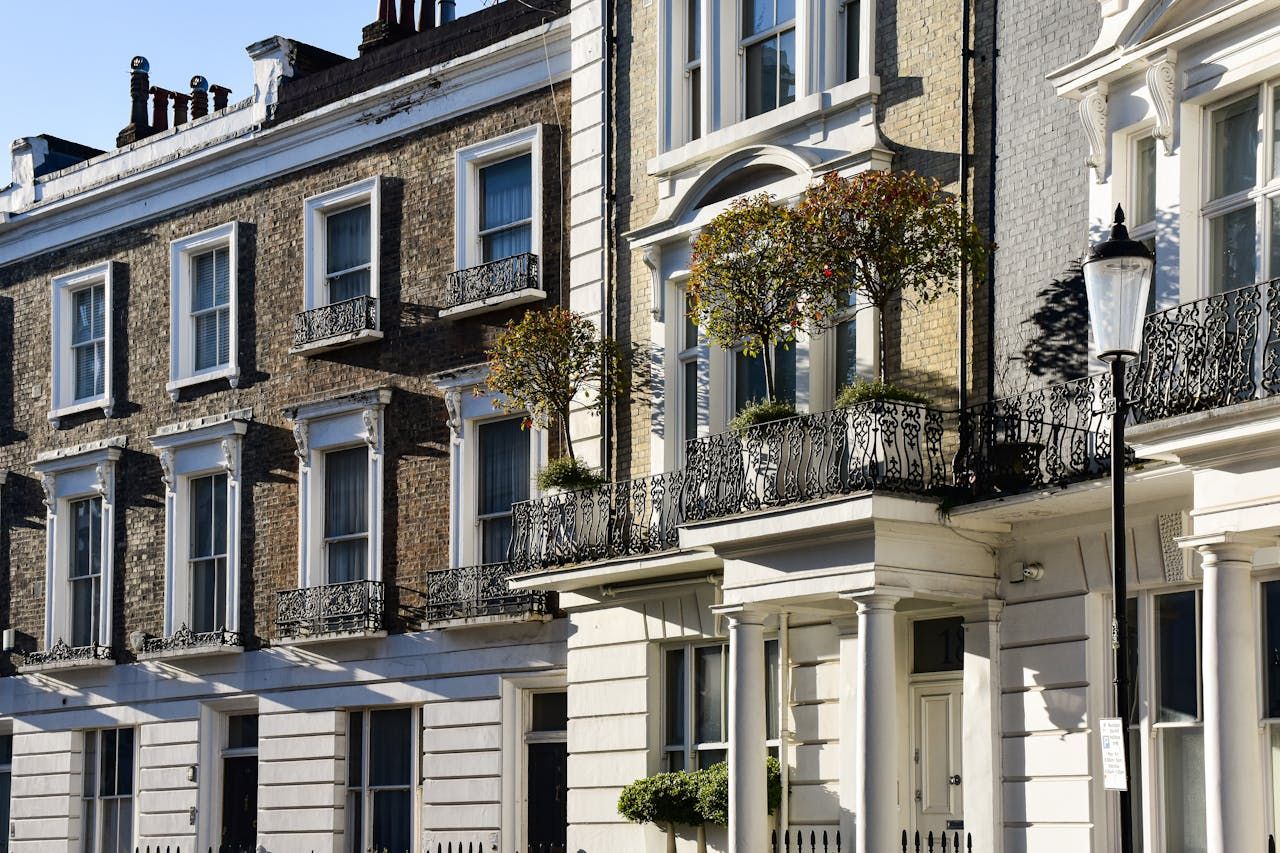
The UK housing market finished 2025 on a gentle downturn, with annual price growth slowing to just 0.6% - the lowest since April 2024 - according to the latest Nationwide House Price Index.
On a monthly basis, average prices slipped 0.4% in December, reflecting a typical seasonal slowdown amplified by broader economic caution.
The average UK home was worth £271,068 at the end of the year.
Market commentators described the year’s end as subdued rather than stagnant, as high borrowing costs and Budget-related uncertainty weighed on buyer confidence, particularly late in the year.
Regional Performance: Northern Ireland Surpasses the Field
Regional results show a sharply uneven UK housing landscape across 2025:
- Northern Ireland led all regions, with house prices climbing 9.7% annually, far outpacing the rest of the UK.
- North West England also delivered solid growth at roughly 3 - 4%.
- London and southern England recorded more timid rises of around 0.7% or below, while some areas in East Anglia experienced annual price declines.
These variations reflect a persistent north-south divide in buyer demand and value growth, shaped by affordability and local economic conditions. Nationwide
Property Types and Market Shifts
The performance of different property types varied over the year:
- Flats and apartments underperformed, continuing a trend of weaker values compared to houses.
- Traditional houses, particularly terraced and semi-detached stock, maintained relatively firmer values.
Analysts point to continued preference among many buyers for more space and lower ongoing costs, which is keeping houses in stronger demand relative to flats.
What Drove Market Behaviour in Late 2025
Several factors contributed to the muted end-of-year picture:
- Mortgage rates, although trending slightly lower from recent highs, remained elevated compared with pre-pandemic levels, limiting buyer budgets.
- Budget and tax speculation earlier in the year saw buyers bring forward purchases to take advantage of temporary incentives, leaving fewer transactions later.
- Seasonal slowdown in the run-up to Christmas further softened activity and prices.
Despite these headwinds, mortgage approvals stayed close to pre-Covid levels, hinting at underlying resilience in buyer interest.
2026 Outlook: Modest Growth Expected
Looking ahead, most mainstream forecasts point to modest house price increases in 2026, rather than sharp rises:
- Nationwide forecasts suggest annual price growth of roughly 2 % - 4 % as affordability slowly improves due to wage gains and modest interest rate falls.
- Rightmove and other property analysts expect a slightly warmer market, with buyers returning after Budget clarity and typical post-holiday activity.
- Halifax projects house prices rising 1 %–3 % in the year ahead under cautious conditions.
- Some estate agency forecasts put growth at around 2 %-3 %, with regions outside London and southern England likely to outperform due to stronger affordability.
This broadly aligns with moves by the Bank of England to trim base rates - with expectations that mortgage costs could continue to ease through 2026 - although the pace of cuts may be gradual.
What This Means for Buyers, Sellers & Investors
- Buyers: Slower price growth and improving affordability could make early 2026 an appealing time to market for first-time buyers and mover purchasers.
- Sellers: Realistic pricing strategies remain crucial as buyers balance price sensitivity with market opportunities.
- Investors: Regional price disparities suggest more attractive returns may be found outside traditional high-value markets, particularly where rental demand remains robust.
Summary
- UK house price growth slowed sharply in 2025, finishing the year at 0.6 % annual growth with prices down 0.4 % in December.
- Northern Ireland and northern England outperformed southern regions.
- Forecasts for 2026 indicate modest growth of 1 % - 4 %, underpinned by improving affordability and lower borrowing costs.
As 2026 unfolds, much will depend on macroeconomic stability, mortgage rate trends and buyer confidence - but the overall outlook leans toward a steady, slightly improved market compared with 2025’s subdued finish.